
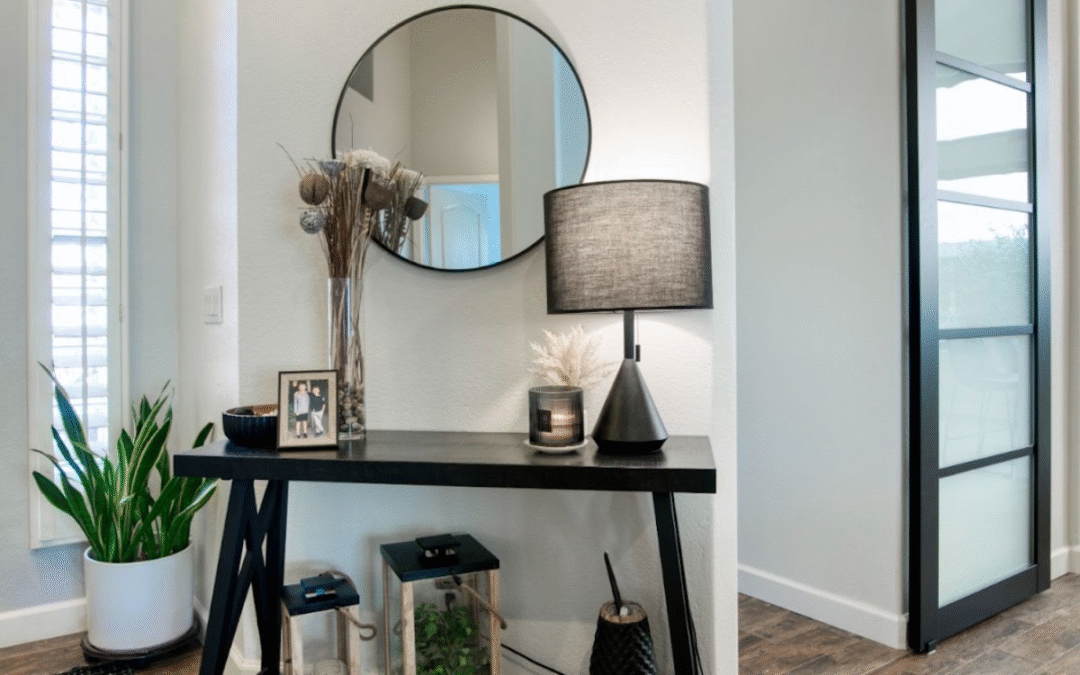
You spend a good part of your day in your living room, and you’ve noticed something feels off. The space functions fine, but it doesn’t restore you the way it should. It doesn’t feel calm or welcoming, and by the end of a long day, it’s just another room rather than a place to exhale. What’s often missing isn’t more furniture or a fresh coat of paint. It’s nature.
What biophilic design actually means
Biophilic design is the practice of bringing natural elements into the built environment to support human wellbeing. The concept is rooted in research showing that people feel calmer, think more clearly, and recover more easily in spaces that include natural light, organic materials, greenery, and views of the outdoors. For a living room, that translates to deliberate choices about materials, light, texture, and plant life that work together to create an environment that genuinely nurtures the people in it.
This approach is especially meaningful for homeowners who spend significant time at home managing caregiving responsibilities or recovery. A living room that incorporates biophilic principles does more than look beautiful. It actively supports the emotional and physical ease of everyone who uses the space. JMG Contracting works with Arizona homeowners to weave these elements into living room remodels in a way that feels intentional rather than incidental.
Natural wood finishes that warm the room
Wood is one of the most powerful tools in biophilic design because it communicates warmth at a level that synthetic materials simply cannot replicate. In a living room remodel, natural wood finishes can be introduced through flooring, ceiling beams, built-in shelving, or a feature wall. Each application brings a different kind of organic texture that grounds the space and makes it feel lived-in rather than staged.
In Arizona’s dry climate, it’s worth selecting wood species and finishes that hold up well with low humidity. Engineered hardwood performs reliably in these conditions while still delivering the natural grain and warmth of solid wood. For built-ins and shelving, wire-brushed or matte-finish oak offers a casual, organic feel that pairs well with both neutral and earthy color palettes.
Bringing indoor plants into the layout
Plants are the most direct expression of biophilic design, and a living room remodel is the right time to plan for them intentionally rather than as an afterthought. Built-in planters, niches sized for potted plants, and shelving arranged to hold greenery at multiple heights all create a sense of layered life throughout the room. When plant placement is considered during the remodel, the result looks cohesive rather than collected over time.
For homeowners managing caregiving responsibilities, low-maintenance plants offer the visual and emotional benefits of greenery without adding to an already full plate. Snake plants, pothos, and ZZ plants all thrive in indirect light and require minimal watering, making them practical choices for Arizona living rooms where direct sun can be intense.
Maximizing natural light without sacrificing comfort
Sunlight is central to biophilic design, but in Arizona, the goal is to welcome light thoughtfully rather than simply letting more of it in. A living room remodel can address this through window placement, the addition of solar shades or interior shutters, and the use of light-colored natural materials that reflect and distribute daylight throughout the room without creating glare.
Skylights with diffusing glazing are another option worth considering. They introduce overhead light that feels soft and natural even during peak afternoon hours, which changes how the room feels at different times of day. For living spaces used by family members who may have sensory sensitivities or need a consistently calm environment, this kind of controlled, diffused light is particularly valuable.
A living room designed to restore
For many Arizona homeowners, the living room is the space that carries the most weight in daily life. It’s where family gathers, where caregiving happens, and where everyone unwinds at the end of the day. When that room feels closed off, heavy, or disconnected from the outside world, it adds a subtle layer of fatigue to an already full life.
A remodel guided by biophilic principles can change that entirely. When natural materials, improved light, and thoughtful greenery come together in a space that’s also laid out for ease of movement and comfort, the room starts doing some of the restorative work on its own. That’s the real value of this approach: it doesn’t just look better, it genuinely feels better to be in.
How to start planning your biophilic living room remodel
Begin by identifying which natural elements are currently missing from your living room. Is it light, warmth, greenery, or texture? Most rooms are lacking more than one. From there, think through which changes are cosmetic and which require construction. A few good starting points to consider:
- Flooring and built-in shelving decisions should be made early so everything integrates cleanly with other trades
- Window additions and skylights need to be coordinated with structural and electrical work
- Plant placement works best when built-ins or niches are planned for during the remodel, not added after
- Material selections, wood species, textiles, and finishes, should be chosen together so the room feels cohesive rather than assembled in pieces
Biophilic design works best when the elements reinforce each other. Natural wood paired with soft linen, greenery at varying heights, and layered light sources working together create a space that feels genuinely connected to the natural world. JMG Contracting helps you plan these decisions in the right sequence so the finished room reflects your vision from the ground up.
Ready to create a living room that truly restores?
Our team helps Arizona homeowners design living spaces that are as functional as they are beautiful, with natural materials, thoughtful light, and layouts that work for real life. If you’re ready to explore what a biophilic living room remodel could look like in your home, we’d love to talk. Contact us to request a quote or schedule a consultation.