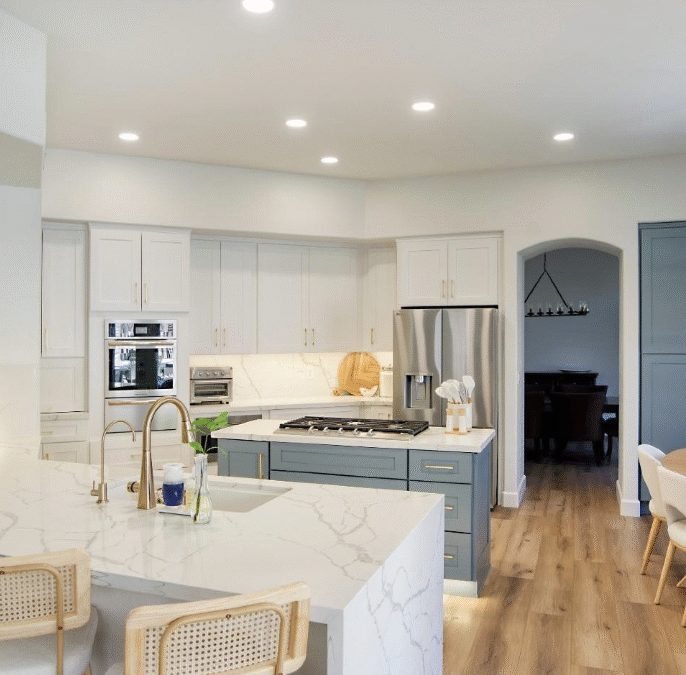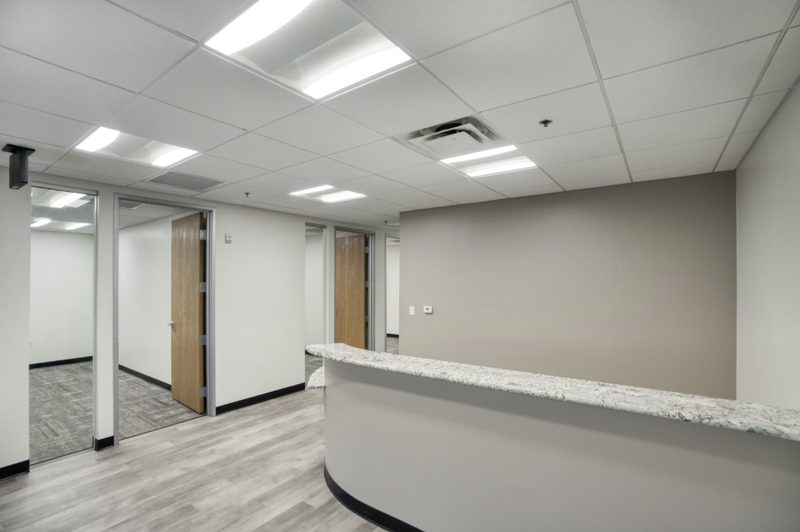
Tenant improvements, often called TIs, are one of the fastest ways to make a commercial space functional, on brand, and ready for customers or employees. In Phoenix, tenant improvements range from simple refreshes like flooring and paint to full office buildouts, retail remodels, and ADA upgrades.
If you are a business owner, property manager, broker, or tenant planning a project in the Phoenix metro area, this guide covers what tenant improvements usually include, what drives cost, how timelines really work, and what to look for in a contractor.
JMG Contracting specializes in commercial remodeling across Phoenix metro, including office spaces, retail environments, and tenant improvements.
What counts as a tenant improvement
Tenant improvements are interior changes made to a commercial space to meet the needs of the tenant. The scope can vary widely, but common TI categories include:
Office buildouts
Conference rooms, private offices, open work areas, break rooms, reception areas, and improved acoustics.
Retail remodels
New finishes, product displays, lighting upgrades, fitting rooms, stockroom improvements, and refreshed storefront experience.
Restaurant and service business updates
Layout adjustments, durability upgrades, ADA compliance improvements, and better customer flow.
Restroom renovations and ADA upgrades
Accessibility improvements are often part of TI work, especially in older spaces.
Lighting, electrical, and low voltage
Lighting upgrades, power distribution changes, and data needs for modern workplaces.
Mechanical adjustments
Ventilation changes, diffuser relocation, and system improvements when the new layout demands it.
A helpful way to think about it is this. A TI is the work that turns an empty shell or an outdated interior into a space that supports your business.
Typical tenant improvement timeline in Phoenix
Most TI projects follow a similar structure. The details vary based on scope, permitting, and building requirements.
Phase 1: Planning and scope definition
This is where you align on goals, layout needs, desired finishes, and budget expectations. If you skip this step, the project tends to grow in unpredictable ways.
Phase 2: Design and documentation
Depending on the project, you may need drawings for landlord review, permitting, and construction clarity. Even a simple retail refresh benefits from clear documentation.
Phase 3: Permitting and approvals
Permits and inspections are often required for electrical, plumbing, mechanical changes, and ADA related updates. If you are in a multi-tenant building, you may also have landlord standards and approval timelines.
Phase 4: Construction
Construction length depends on scope. Smaller refresh projects may run a few weeks. Larger buildouts can run a few months. JMG notes that commercial remodel timelines commonly range from a few weeks to a few months depending on scope.
Phase 5: Inspections and closeout
Final inspections, punch list, and a clean handoff matter. This is where a well-managed GC stands out.
What drives tenant improvement cost in Phoenix
Cost is not just square footage. It is complexity, systems, and finish level.
Here are the biggest drivers.
Mechanical, electrical, and plumbing changes
Moving restrooms, relocating diffusers, upgrading power, and changing lighting layouts usually increases cost and timeline.
ADA compliance requirements
ADA adjustments can involve restrooms, clearances, door hardware, ramps, and accessible routes. It is critical to address early to avoid rework.
Finish level and durability needs
Office finishes, medical finishes, and high-traffic retail finishes all have different durability requirements. Selecting the right materials impacts long-term value.
Working around operations
If you are remodeling an occupied space, phasing and after-hours work can raise costs. The upside is reduced disruption.
Lead times for key materials
Specialty flooring, fixtures, and custom millwork can affect schedule and cost.
How to reduce disruption to your business
Business disruption is a top concern. The best approach depends on your operation.
Common strategies include:
Phased construction
Work is divided into zones so parts of the space remain operational.
After-hours or weekend work
When possible, noisy or disruptive work can be scheduled outside business hours.
Clear communication and coordination
JMG emphasizes building a detailed timeline and coordinating strategy to minimize disruption, including phased work and clear communication.
Permits, inspections, and why they affect the schedule
Permitting can feel frustrating, but it is often the difference between a smooth project and a shutdown risk later.
A knowledgeable GC coordinates:
- What triggers permits for your scope
- What inspections are required
- How to keep the project moving while waiting for approvals
- How to document changes properly
If your contractor dismisses permits or treats them casually, treat that as a red flag.
How to choose a tenant improvement contractor in Phoenix
A TI contractor should feel like a project partner, not just a vendor. Here is what to evaluate.
Relevant commercial experience
Ask about similar projects, especially in your building type.
Planning and communication systems
You want updates, clear schedules, and documented decisions. The contractor should explain how information flows and who owns what.
Trade partner quality and supervision
Commercial spaces must be built to code, built for durability, and finished with consistency. That requires strong oversight.
A realistic schedule and a clean scope
You should understand what is included, what is excluded, and what assumptions are being made.
A professional approach to minimizing disruption
If you need phased work or off-hours construction, confirm capability upfront.
What a smooth TI project looks like with JMG
JMG Contracting focuses on commercial remodeling projects across the Phoenix metro area, with an emphasis on craftsmanship, precision, and a client-focused approach.
The team also notes that they handle permitting and ensure compliance with local codes, safety standards, and relevant regulations, which is a major value-add for TI work.
Frequently asked questions
What types of commercial projects do you handle
JMG works on interior commercial remodeling projects including office spaces, retail environments, and tenant improvements.
How long does a tenant improvement take
Timelines vary based on scope, but many commercial remodels fall within a few weeks to a few months.
Do you handle permitting
Yes. JMG handles permitting and code compliance as part of the commercial remodeling process.
Can you help with design and layout
JMG collaborates with clients on design and layout to maximize functionality and aesthetics while meeting business needs.
Ready to plan a tenant improvement in Phoenix metro
If you are planning a TI, office buildout, or commercial renovation in Phoenix metro, the best next step is a walkthrough and a clear scope.
Start here: https://jmgcontracting.com/getaquote/
Learn more about commercial remodeling: https://jmgcontracting.com/commercial/
Free estimate, fixed price before we start, and a project manager who messages you every day.